


Is BPC-157 the Same as TB-500? Understanding Their Differences, Benefits, and Uses
Introduction
In regenerative medicine and performance enhancement, peptides like BPC-157 and TB-500 have gained attention for their unique healing and recovery properties. Both are praised for their potential to speed up tissue repair, reduce inflammation, and improve overall recovery. But are BPC-157 and TB-500 the same? This article provides a comprehensive overview of each peptide, how they work, and whether they’re genuinely interchangeable or complementary in supporting optimal healing.
What is BPC-157?
BPC-157, short for Body Protection Compound-157, is a synthetic peptide derived from a protein in human gastric juices. With a structure composed of 15 amino acids, BPC-157 is designed to mimic a naturally occurring protective protein in the stomach. This peptide has gained popularity for its potential to support tissue repair and enhance healing processes throughout the body.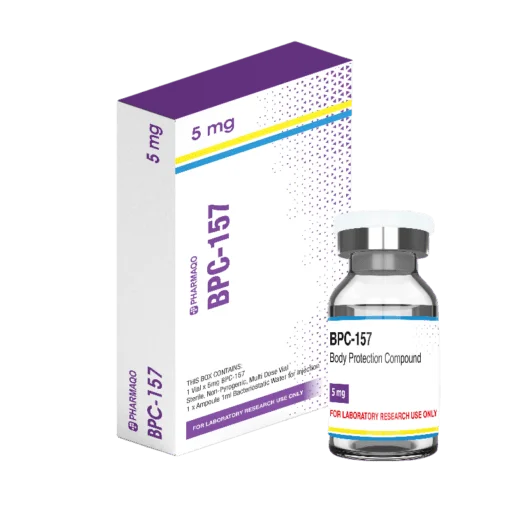
How Does BPC-157 Work?
BPC-157 is thought to promote healing through several mechanisms:
- Angiogenesis stimulates the formation of new blood vessels, which aids in delivering nutrients and oxygen to damaged tissues, speeding up the healing process.
- Tissue Repair: BPC-157 interacts with growth factors to facilitate the repair of muscles, tendons, and even ligaments, making it highly popular among athletes recovering from injuries.
- Anti-Inflammatory Action: BPC-157 may reduce inflammation in injured areas, which allows tissues to heal faster.
- Gastrointestinal Support: BPC-157 is known for its protective effects on the gut lining, potentially helping with ulcers and other gastrointestinal issues.
Usage and Dosage
BPC-157 is typically administered via subcutaneous injection near the affected area or orally, particularly for gastrointestinal benefits. While dosages vary, users must consult a healthcare professional to determine the safest and most effective dosage tailored to individual needs.
What is TB-500?
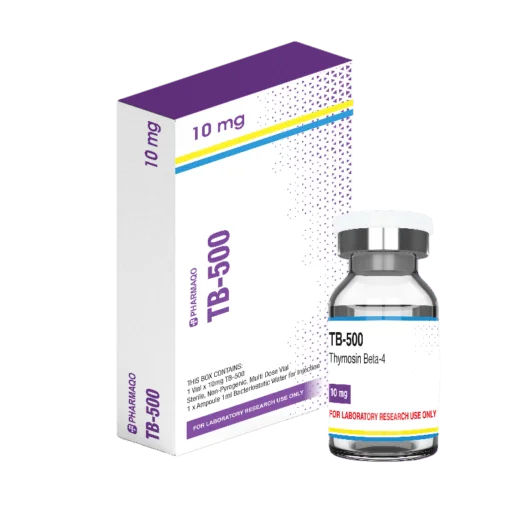
TB-500, also known as Thymosin Beta-4, is another synthetic peptide that has garnered interest for its regenerative properties. Derived from thymosin, a protein produced in the thymus gland, TB-500 plays a role in cell migration and tissue repair, making it useful for muscle and injury recovery.
How Does TB-500 Work?
TB-500 operates differently from BPC-157, utilizing distinct mechanisms to promote healing:
- Actin-Binding: TB-500 regulates actin, a protein essential for cell movement. By promoting actin production, TB-500 supports cellular movement, aiding tissue repair and regeneration.
- Anti-Inflammatory: Like BPC-157, TB-500 helps reduce inflammation in damaged tissues, which can accelerate recovery.
- Promotes Cellular Migration: TB-500 encourages cells to move to areas needing repair, facilitating faster recovery for muscle and tendon injuries.
Usage and Dosage
TB-500 is generally administered through subcutaneous injections. Users are advised to consult a healthcare professional to determine the appropriate dosage and duration. Especially if combined with other peptides like BPC-157.
Comparing both : Are They the Same?
While BPC-157 and TB-500 share similarities in promoting healing and reducing inflammation, they differ. Here’s a detailed comparison:
- Origin and Structure
- BPC-157 is derived from a protein in human gastric juices comprising 15 amino acids. It’s known for its gut-protective qualities and broad healing properties across the body.
- TB-500 is a synthetic version of thymosin beta-4. It focuses on actin production and cellular movement, which are essential for tissue repair.
- Mechanism of Action
- BPC-157 promotes angiogenesis, directly supporting tissue repair and gut health, and works well for targeted injury sites.
- TB-500, on the other hand, focuses on actin production and enhances cellular movement, promoting broader tissue repair but with a focus on connective tissue healing.
- Usage and Primary Benefits
- BPC-157: Ideal for muscle, tendon, and ligament injuries, as well as gastrointestinal health due to its gut-protective properties.
- TB-500: Primarily used for muscle and joint injuries, focusing on enhanced cellular migration to injured areas.
- Complementary Effects
- Many users combine BPC-157 and TB-500, as their differing mechanisms of action allow for a potentially synergistic effect. Together, they may provide enhanced healing by addressing tissue repair through multiple pathways: BPC-157 helps with local and targeted healing, while TB-500 promotes broader cellular migration to repair injuries.
Benefits of Combining both
Combining these peptides may offer a broader and potentially more effective recovery experience due to their unique mechanisms:
- Accelerated Healing: The combination can expedite recovery from sports injuries or muscle damage, providing comprehensive support for the body’s natural repair processes.
- Enhanced Flexibility: While BPC-157 works on specific injury sites, TB-500 enhances cellular activity, allowing the body to repair and rebuild flexibly.
- Reduced Downtime: For athletes, reducing downtime is essential. Both peptides may decrease recovery time and improve resilience, allowing for a faster return to activity.
Honest User Reviews and Observations
Many users report positive experiences with BPC-157 and TB-500, particularly when recovering from sports-related injuries. Some reviews highlight that while BPC-157 offers effective localized healing, TB-500 provides broader support across larger muscle groups and connective tissues. Together, athletes often recommend them for comprehensive injury support and accelerated recovery.
User Feedback:
- “BPC-157 helped me recover from a chronic shoulder injury, while TB-500 took care of inflammation in my knee. The combination worked wonders!”
- “I noticed faster recovery times and better flexibility with both peptides. It’s a great combination for muscle and joint health.”
Are BPC-157 and TB-500 the Same? The Final Verdict
No, BPC-157 and TB-500 are not the same. While both peptides are used for recovery and anti-inflammatory purposes. They have different mechanisms, origins, and structures. However, their complementary nature makes them powerful for those looking to accelerate recovery and support tissue repair through multiple pathways.
For individuals seeking enhanced healing from muscle, tendon, or ligament injuries, combining BPC-157 and TB-500 can provide a synergistic effect, supporting both localized and broad tissue repair.
Buy Quality products from Pharmaqo – Your Trusted Source
For those looking to purchase peptides like BPC-157 and TB-500, Pharmaqo is a reliable source dedicated to offering high-quality, lab-tested products. Our products are designed to meet rigorous standards for purity and efficacy, ensuring you receive peptides you can trust.
Why Choose Pharmaqo? Pharmaqo prioritizes quality and transparency, providing premium peptides to support recovery, injury repair, and overall performance. Our BPC-157 and TB-500 products are ideal for those committed to maintaining physical health and maximizing recovery potential.
Learn more about BPC-157 and TB-500 at Pharmaqo, and discover why we’re a trusted choice for performance enhancement and injury recovery.
Read this:
How Much Primo Per Week: Primobolan Depot 100 & 175 Dosage Guidelines
Related Posts
Powerful Maximum Dose of Tadalafil in 24 Hours Guide
Understanding the maximum dose of tadalafil in 24 hours is important for both safety and effectiveness

Powerful Guide: How to Build Muscle Fast
Muscle building is not just about lifting heavy weights. Real muscle growth is the result of the right

Warning Signs of Low Testosterone in Men
Understanding the signs of low testosterone in men is important because low testosterone can affect energy,

Trenbolone Acetate for Sale? Powerful Safety Guide
Searching trenbolone acetate for sale can lead people into a confusing space filled with bold claims,

Anavar Pills for Sale? Powerful Safety Guide
People searching for anavar pills for sale are usually looking for muscle gain, fat loss, strength, or
Powerful Trenbolone Ethanate Dose Guide After 60
Understanding Dosae Trenbolone Ethanate for Over 60 Searching for dose trenbolone ethanate for over 60
Leave a comment