

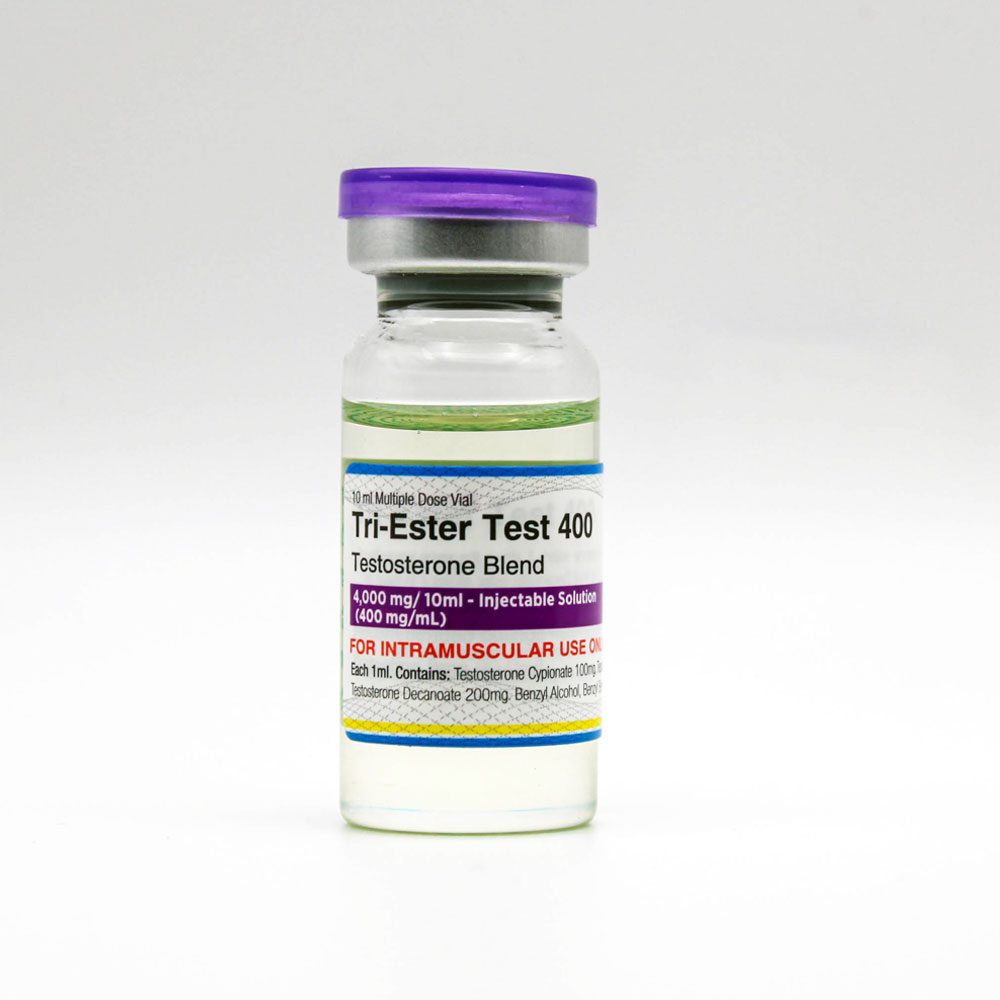
Clomid causes fewer side effects than other fertility meds or TRT and avoids external testosterone, preserving natural hormone production.

When most people think of Clomid (clomiphene citrate), they associate it with female infertility treatment. However, this medication has gained significant attention for its potential benefits in improving male fertility as well. In this blog, we’ll explore how Clomid works for men, its benefits, potential side effects, and why it’s becoming a go-to solution for some men struggling with infertility.
Doctors traditionally prescribe this medication to women to help with ovulation issues.. It works by stimulating the pituitary gland to release hormones necessary for ovulation. In recent years, healthcare providers have also begun to prescribe Clomid for men with fertility issues, especially those with low testosterone levels or poor sperm count.
Clomid helps men with low testosterone levels or poor sperm counts by boosting the production of testosterone in the body. Here’s how it works:
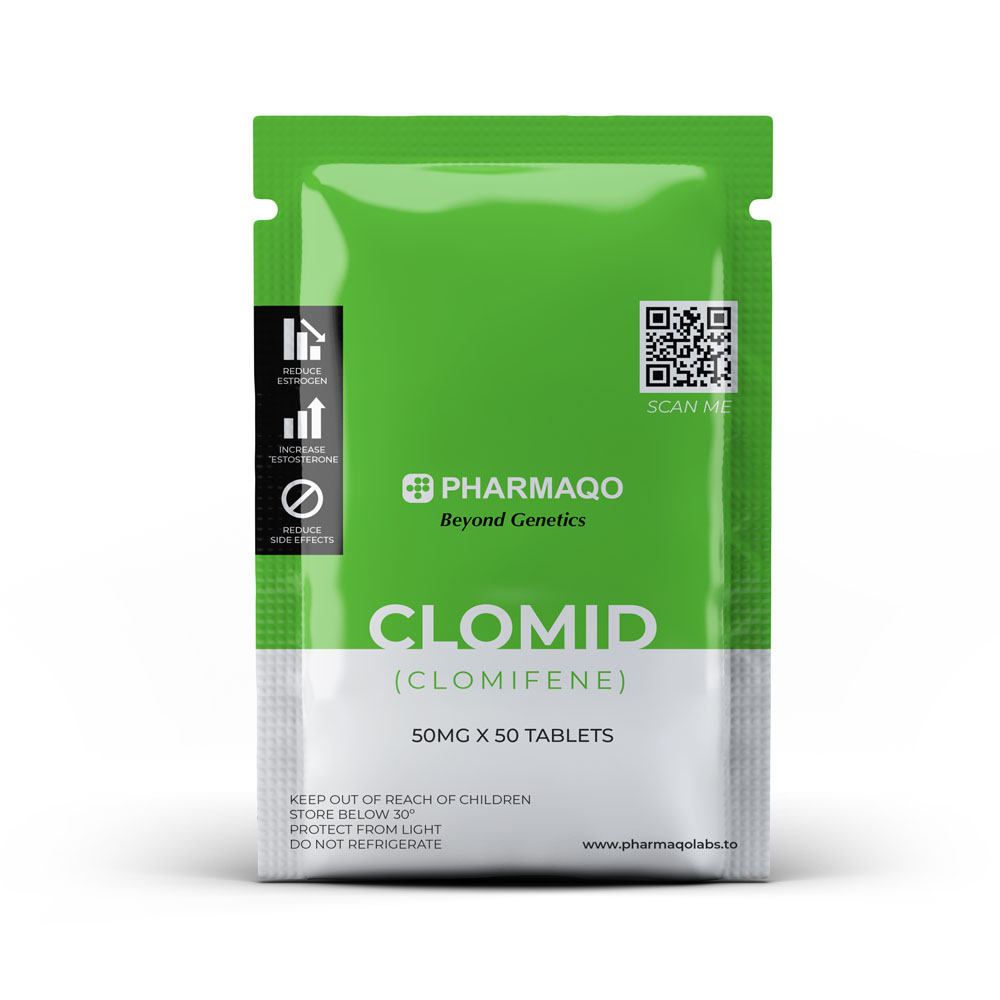
Clomid is typically prescribed to men dealing with specific fertility issues. Some of the conditions where Clomid can be beneficial include:
It’s important to note that Clomid is not effective for all men, and its success depends on the underlying cause of infertility. Therefore, a consultation with a healthcare provider is crucial for determining whether Clomid is the right option for a specific case.
Clomid is typically taken orally in tablet form. A typical dosage might range from 25 to 50 mg daily, depending on the individual’s needs and response to treatment. The duration of treatment often lasts between 3 to 6 months, though some men may require longer periods of use to see significant improvements.
Since Clomid stimulates the body’s natural testosterone production, it is typically preferred over testosterone replacement therapy (TRT). It can cause the body to stop producing its testosterone.
If any of these side effects occur, it’s important to consult a healthcare provider immediately.
While Clomid is a powerful treatment option for many men, it may not be effective in all cases. For men who do not respond to Clomid, other treatment options may include:
Clomid has become an increasingly popular treatment for male infertility, particularly in cases where low testosterone levels or poor sperm quality are the primary issues. With minimal side effects and the potential for significant improvements in fertility. It can be an effective and cost-efficient treatment option for many men. However, it’s essential to consult a healthcare provider to determine if Clomid is the right solution.
At Pharmaqo, we are committ to provide you quality healthcare solutions and offering professional advice tailored to each individual’s needs. If you are considering Clomid for male infertility, be sure to speak with your doctor. This way you will understand the benefits, risks, and treatment options available.
FAQs about Clomid







Leave a comment