No products in the cart.



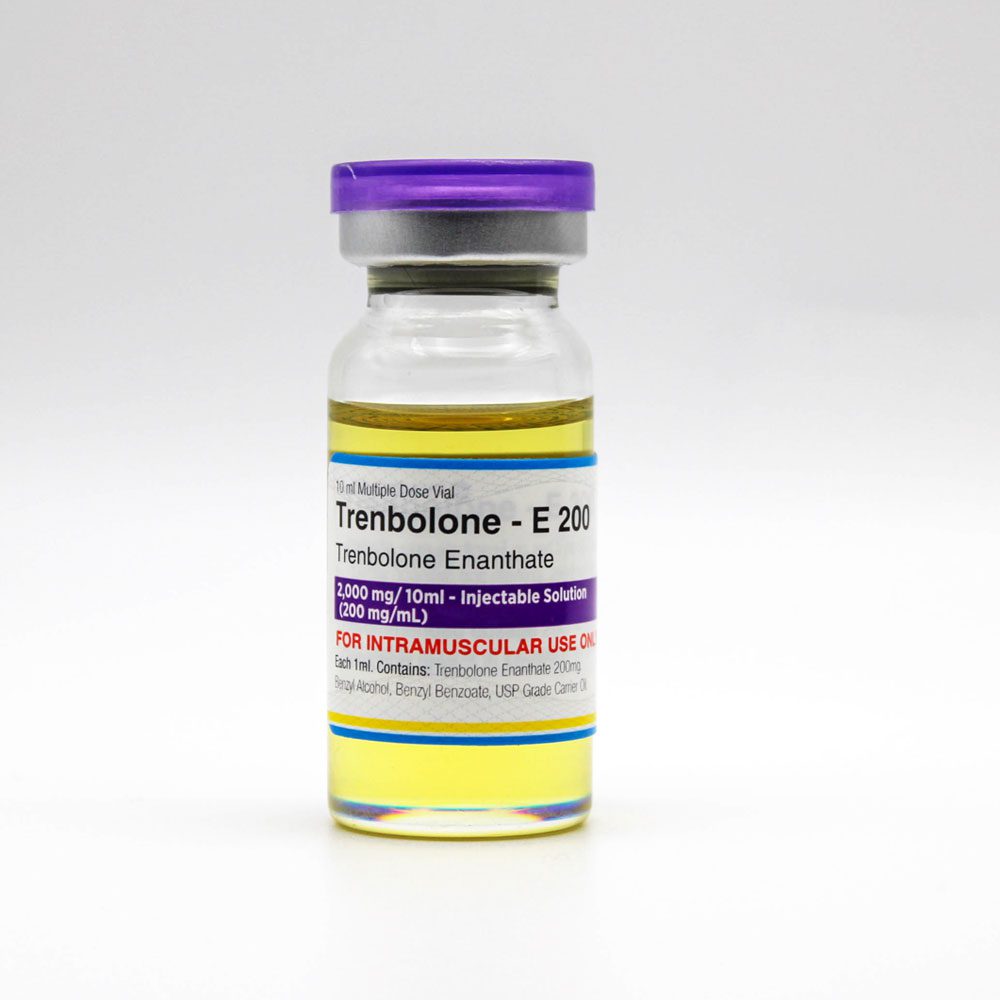
Does Trenbolone Make You Infertile: Trenbolone is a powerful anabolic steroid favored by bodybuilders for its muscle-building and strength-enhancing effects. However, concerns exist about its impact on male fertility, specifically whether it causes infertility or lowers sperm count. Like many anabolic steroids, Trenbolone can significantly suppress natural testosterone production, which may reduce sperm production and lead to fertility issues. The good news is these effects are often not permanent. With responsible use and proper precautions—such as Post-Cycle Therapy (PCT)—fertility can frequently be restored. Understanding the risks and following safe practices is key to minimizing Trenbolone’s impact on reproductive health.
To understand why Trenbolone affects fertility, it’s essential to look at how anabolic steroids work in the body.
Trenbolone works by binding to androgen receptors, which promotes muscle growth and fat loss. However, this powerful binding also signals the hypothalamus and pituitary glands to reduce the production of natural testosterone. Since testosterone is directly tied to sperm production, a decrease in this hormone often leads to a reduced sperm count.
In simpler terms, the more Trenbolone you use, the more likely it is that your natural testosterone production will be suppressed, leading to a lower sperm count and possible fertility issues.
The HPGA system regulates the production of testosterone and sperm. When you take Trenbolone, your body is essentially tricked into thinking it’s producing more testosterone than it needs, which causes it to stop producing testosterone naturally. This hormonal imbalance results in lower sperm production and can lead to issues like azoospermia, the complete absence of sperm.
Although Trenbolone does not convert to estrogen like some steroids, it can still cause estrogenic side effects. High estrogen levels can further suppress natural testosterone, exacerbating issues with sperm production. This imbalance can make it even harder to maintain fertility while on Trenbolone.
The good news is that in most cases, the effects of Trenbolone on fertility are reversible. Once you stop using the steroid and follow appropriate recovery protocols, your body can begin to restore normal hormone production, which may also lead to the recovery of sperm production.
However, recovery time varies depending on the individual. For some, it may take a few months for sperm count and testosterone levels to return to normal. In more severe cases, it could take longer.
While Trenbolone can cause fertility issues, there are ways to minimize these effects:
One of the best ways to reduce the risk of infertility is to use Trenbolone responsibly. Keep the doses moderate and avoid using it for prolonged periods. Most users don’t need excessively high doses to see results, so keeping your doses in check can help protect your reproductive health.
Many bodybuilders and athletes stack Trenbolone with other steroids, such as Testosterone, to help maintain more natural testosterone levels. This stacking method can potentially reduce the impact of Trenbolone on sperm production. However, it’s important to ensure you’re stacking responsibly to minimize any negative health impacts.
PCT is an essential part of any anabolic steroid cycle. After using Trenbolone, a proper PCT plan can help restore natural testosterone production and bring your hormone levels back to normal. PCT typically includes the use of medications like Clomid (clomiphene citrate) or Nolvadex (tamoxifen), which stimulate the pituitary gland to produce more LH and FSH, both of which are needed for natural testosterone production.
Regular blood work is critical while using Trenbolone or any other anabolic steroid. Testing your hormone levels frequently will allow you to catch any imbalances early and take corrective action if needed. Knowing your testosterone, estrogen, and other hormone levels helps ensure that you’re on the right track in terms of both your fitness goals and reproductive health.
Supplements like Zinc, Vitamin D, and Omega-3 fatty acids have been linked to better testosterone production and overall reproductive health. Adding these to your diet while using Trenbolone may help reduce the negative impact on sperm production.
If you are worried about the fertility effects of Trenbolone, there are alternatives that may have a lower impact on sperm production. Testosterone-based steroids, such as Testosterone Enanthate or Primobolan, tend to have fewer negative impacts on sperm production. Additionally, SARMs (Selective Androgen Receptor Modulators) like Ostarine (MK-2866) offer anabolic benefits with fewer side effects and less risk of fertility issues. However, always consult with a healthcare professional before switching substances.
In conclusion, yes, Trenbolone can lower sperm count and potentially lead to infertility, primarily due to its suppression of natural testosterone production. However, with responsible use, proper cycle management, and post-cycle therapy (PCT), these effects can often be reversed.
If you’re concerned about fertility while using Trenbolone, make sure to follow best practices such as using proper dosages, regularly monitoring hormone levels, and ensuring you’re incorporating PCT into your cycle. Always keep your health and long-term well-being a priority when using anabolic steroids.
For those looking for safe, high-quality Trenbolone and other performance-enhancing products, Pharmaqo offers premium steroids, SARMs, and peptides designed to help you achieve your fitness goals while adhering to the highest industry standards.
Explore Pharmaqo’s product range and take control of your fitness journey today.






Leave a comment