



How Much Bacteriostatic Water to Mix with 5mg of Semaglutide: A Comprehensive Guide
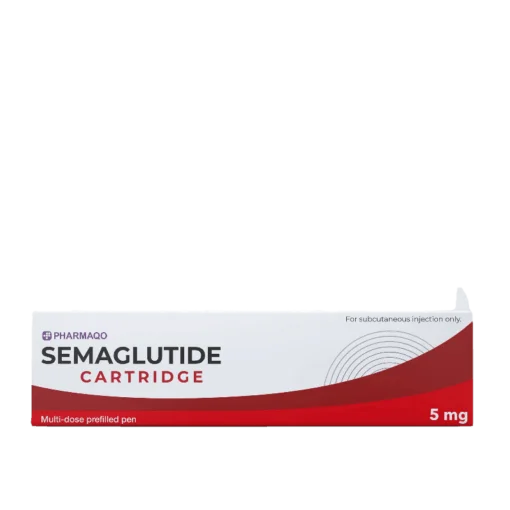
Semaglutide, commonly prescribed for type 2 diabetes and weight loss, often comes in powder form, requiring reconstitution with bacteriostatic water to prepare it for safe and effective use. Mixing Semaglutide correctly ensures the right concentration and dosage, making it essential to know precisely how much bacteriostatic water to add to a 5 mg vial of Semaglutide. This guide covers everything needed for proper mixing and instructions for storage and administration to maximize its benefits.
What is Semaglutide?
Semaglutide is a GLP-1 receptor agonist, a type of medication that helps regulate blood sugar levels and reduce appetite. While originally developed for managing type 2 diabetes, Semaglutide has become popular for weight control due to its effectiveness in combination with a balanced diet and exercise routine. It is available in pre-mixed injectable pens and powder form. When working with the powder form, reconstitution with bacteriostatic water is required before administering it.
What is Bacteriostatic Water?
Bacteriostatic water is a sterile solution containing 0.9% benzyl alcohol, which acts as a preservative to inhibit bacterial growth. This makes it ideal for reconstituting medications like Semaglutide, as it keeps the solution stable and suitable for multiple uses over time. Unlike sterile water, which is meant for single use, bacteriostatic water allows repeated doses from the same vial, reducing waste and providing safety over a more extended period.
How Much Bacteriostatic Water Can I Mix with 5mg of Semaglutide?
To achieve the correct concentration for dosing, the standard recommendation is to mix 5 mg of Semaglutide with 5 ml of bacteriostatic water. This creates a 1:1 ratio, resulting in a 1 mg/ml concentration. However, different concentrations can be achieved by adjusting the bacteriostatic water added to the 5 mg of Semaglutide. Here are some common mixing ratios:
- 5 mg of semaglutide + 5 ml bacteriostatic water = 1 mg/ml
- This balanced concentration is often used for accurate dosing and manageable injection volumes. With 1 mg per ml, you can quickly draw the desired dose based on your prescribed needs.
- 5 mg of semaglutide + 2.5 ml bacteriostatic water = 2 mg/ml
- This higher concentration requires a smaller injection volume to achieve the same dose. It’s ideal if you prefer more concentrated doses and are comfortable measuring with precision.
- 5 mg of semaglutide + 10 ml bacteriostatic water = 0.5 mg/ml
- This dilution provides a more diluted solution, making it useful if lower doses are required or if finer control over minor dose adjustments is necessary.
Choosing the Right Concentration: The best concentration depends on your required dose and syringe capacity. Most users find a 1 mg/ml concentration convenient but consult a healthcare provider to confirm the proper ratio for your treatment plan.
Step-by-Step Guide to Reconstituting Semaglutide
- Gather Supplies:
- 5 mg vial of semaglutide powder: Ensure the powder is in its original, sterile packaging.
- Bacteriostatic water: Use the correct amount based on the concentration you want.
- Sterile syringe and needle: A fresh, sterile syringe is essential for drawing and injecting bacteriostatic water.
- Alcohol swabs: Necessary for maintaining sterility and preventing contamination of vials.
- Sanitize Vials:
- Use alcohol swabs to wipe the rubber tops of both the Semaglutide and bacteriostatic water vials. This step is essential for reducing the risk of introducing contaminants into the solution.
- Draw Bacteriostatic Water:
- Using a sterile syringe, draw the desired amount of bacteriostatic water. For example, if you need a 1 mg/ml concentration, draw 5 ml. Make sure to expel any air bubbles from the syringe before proceeding to the next step.
- Inject into Semaglutide Vial:
- Insert the needle into the semaglutide vial, angling it slightly so the water flows down the side of the vial instead of directly onto the powder. This gentle approach helps prevent foam and keeps the solution smooth, preserving the delicate peptide structure.
- Gently Mix:
- Swirl the vial gently to dissolve the powder completely. Avoid shaking, as vigorous movement can damage the peptide and reduce its effectiveness. Keep swirling until the solution is clear and all the powder has dissolved.
- Store Properly:
- Place the reconstituted Semaglutide in the refrigerator at 2-8°C (36-46°F). This temperature range is crucial to preserve its stability. When stored correctly, the solution remains effective for up to 30 days. Always check for discolouration or particles before each use, as these can indicate contamination or degradation.
Dosage and Administration
Semaglutide is generally administered once weekly via a subcutaneous injection. However, dosage recommendations can vary depending on the intended use, such as diabetes management or weight loss.
- For Type 2 Diabetes:
- Most treatments start with a dose of 0.25 mg once a week. After four weeks, this may increase to 0.5 mg per week, with a potential maintenance dose of up to 1 mg per week, depending on individual response and medical guidance.
- For Weight Loss:
- The typical starting dose is 0.25 mg weekly, gradually increasing to 2.4 mg weekly. This gradual increase helps the body adjust, reducing the likelihood of side effects.
Following your healthcare provider’s dosage instructions is critical to achieve the best results and ensure safety.
Benefits of Using Bacteriostatic Water
Reconstituting Semaglutide with bacteriostatic water offers several key advantages:
- Preservation: The benzyl alcohol acts as a preservative, preventing bacterial growth within the vial, which helps the solution remain stable and safe for up to 30 days.
- Multi-Use Capability: Unlike sterile water, which is meant for single use only, bacteriostatic water allows multiple injections from the same vial. This makes it convenient for weekly dosing schedules, as the solution can be used repeatedly within the safe storage period.
- Increased Safety: By preventing bacterial contamination, bacteriostatic water reduces the risk of infection and enhances the overall safety of the reconstituted Semaglutide.
Potential Side Effects of Semaglutide
While Semaglutide offers significant health benefits, some users may experience side effects, particularly in the early stages of treatment. Common side effects include:
- Nausea: Often occurring at the beginning of treatment, nausea typically subsides as the body adapts.
- Vomiting and Diarrhea: These digestive symptoms can be more prominent initially but usually decrease over time.
- Abdominal Pain: Mild discomfort in the abdomen may occur, which generally improves with continued use.
- Reduced Appetite: While beneficial for weight management, this effect may take some adjustment.
Consult your healthcare provider for guidance if side effects are severe or persist.
Proper Storage of Reconstituted Semaglutide
To ensure the stability and potency of reconstituted Semaglutide, follow these storage guidelines:
- Refrigeration: Store the solution in a refrigerator at 2-8°C (36-46°F).
- Avoid Exposure: Protect the vial from direct light and extreme temperatures, which can degrade the medication.
- Discard After 30 Days: Any unused solution should be safely discarded to maintain safety and effectiveness.
Related Posts

Powerful Maximum Dose of Tadalafil in 24 Hours Guide
Understanding the maximum dose of tadalafil in 24 hours is important for both safety and effectiveness

Powerful Guide: How to Build Muscle Fast
Muscle building is not just about lifting heavy weights. Real muscle growth is the result of the right

Warning Signs of Low Testosterone in Men
Understanding the signs of low testosterone in men is important because low testosterone can affect energy,

Trenbolone Acetate for Sale? Powerful Safety Guide
Searching trenbolone acetate for sale can lead people into a confusing space filled with bold claims,

Anavar Pills for Sale? Powerful Safety Guide
People searching for anavar pills for sale are usually looking for muscle gain, fat loss, strength, or

Powerful Trenbolone Ethanate Dose Guide After 60
Understanding Dosae Trenbolone Ethanate for Over 60 Searching for dose trenbolone ethanate for over 60
Leave a comment