No products in the cart.



Tadalafil and Oxytocin are two compounds that significantly influence human well-being, yet their purposes and mechanisms differ vastly. Tadalafil, widely recognized for its role in addressing physical health conditions like erectile dysfunction (ED) and pulmonary arterial hypertension, is a pharmacological innovation that directly impacts circulatory health. On the other hand, Oxytocin is a naturally occurring hormone that plays a vital role in emotional bonding, social interactions, and reproductive health, often referred to as the “love hormone.”
Despite their differences, both compounds represent critical tools in modern medicine, addressing health’s physical and emotional dimensions. This blog explores their unique roles, benefits, and drawbacks while offering insights into their applications.
| Feature | Tadalafil | Oxytocin |
|---|---|---|
| Primary Purpose | Treats ED, PAH, and BPH | Enhances social bonding, reduces stress, aids reproduction |
| Mechanism of Action | Inhibits PDE5 to improve blood flow | Activates receptors to regulate emotions and physiological functions |
| Duration of Action | Lasts up to 36 hours | Immediate but short-lived effects |
| Side Effects | Headaches, flushing, visual disturbances | Context-dependent effects; potential misuse risks |
| FDA Approval | Approved for multiple conditions | Limited to specific medical scenarios |
Tadalafil, widely recognized by its brand name Cialis, is a groundbreaking medication that belongs to the class of phosphodiesterase type 5 (PDE5) inhibitors. It was first developed in the late 1990s through a collaborative effort between GlaxoSmithKline and ICOS Corporation and received FDA approval in 2003. Originally formulated to treat erectile dysfunction (ED), Tadalafil has expanded its scope to address a range of conditions, including pulmonary arterial hypertension (PAH) and benign prostatic hyperplasia (BPH). Its versatility and prolonged efficacy have made it a preferred choice in these therapeutic areas.
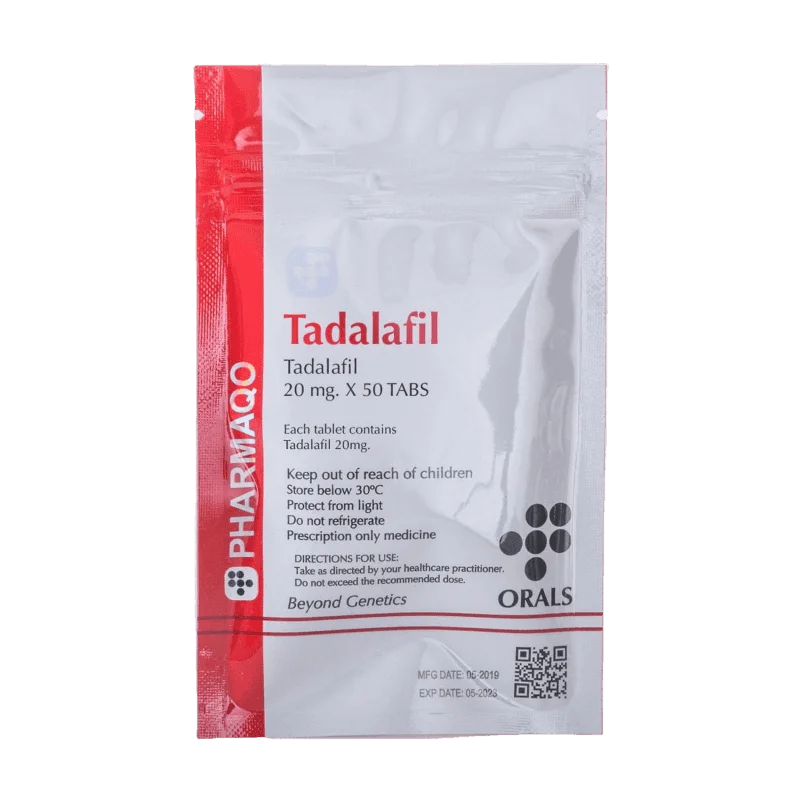
Tadalafil is primarily used for three key medical conditions. In the treatment of erectile dysfunction, it works by increasing blood flow to the penile tissues, thereby enhancing sexual performance. Its prolonged half-life of approximately 36 hours makes it a standout among ED medications, providing users with flexibility and spontaneity.
For individuals with pulmonary arterial hypertension, Tadalafil relaxes the blood vessels in the lungs, reducing elevated blood pressure and alleviating the strain on the heart. This improved blood flow enhances exercise capacity and overall quality of life.
In benign prostatic hyperplasia, Tadalafil addresses urinary symptoms such as frequent urination and difficulty emptying the bladder. Relaxing: Relaxing the smooth muscles of the prostate and bladder neck promotes a more efficient urine flow, improving the patient’s daily comfort.
At the molecular level, Tadalafil selectively inhibits the enzyme phosphodiesterase type 5 (PDE5). This enzyme is crucial in breaking down cyclic guanosine monophosphate (cGMP), a molecule responsible for signalling smooth muscle relaxation and vasodilation.
By inhibiting PDE5, Tadalafil maintains elevated cGMP levels, allowing for sustained relaxation of smooth muscles. In erectile dysfunction, this mechanism ensures improved blood flow to the penis, facilitating erections during sexual arousal. It optimizes blood flow in targeted areas, effectively reducing symptoms of pulmonary hypertension and benign prostatic hyperplasia.
Tadalafil’s unique properties make it an efficient and user-friendly medication. It has a molecular formula of C22H19N3O4 and is metabolized in the liver primarily via the enzyme CYP3A4. This ensures a predictable pharmacokinetic profile, with peak plasma concentration reached within two hours of oral administration. Its long half-life of 36 hours is a defining feature, offering prolonged efficacy compared to other PDE5 inhibitors.
Unlike some medications, Tadalafil’s absorption is not significantly affected by food intake, making it convenient to use without dietary restrictions. Once metabolized, it is eliminated through faeces and urine, ensuring thorough clearance.
Tadalafil’s long duration of action is a significant advantage, allowing for both planned and spontaneous usage. Its dual action in treating ED and BPH offers additional convenience for individuals managing overlapping conditions. Furthermore, its predictable pharmacokinetics and minimal meal interaction make it easy to use.
Despite its benefits, Tadalafil requires careful consideration in certain contexts. Common side effects include headaches, flushing, and back pain, typically mild and short-lived. However, more severe reactions, such as vision or hearing loss and priapism, though rare, warrant immediate medical attention.
Drug interactions are another critical aspect. Combining Tadalafil with nitrates or alpha-blockers can result in significant drops in blood pressure, posing serious risks. Patients should also inform their healthcare providers about their medications to avoid potential interactions.
Tadalafil’s broad range of applications and long-lasting effects underscore its versatility as a therapeutic agent. Whether enhancing sexual performance, improving lung function in pulmonary hypertension, or alleviating urinary symptoms in BPH, Tadalafil provides reliable and effective solutions. However, a healthcare professional should always guide its use to ensure both efficacy and safety.
This deeper understanding of Tadalafil’s history, mechanisms, and clinical applications highlights its importance in modern medicine. It remains a trusted option for managing various health conditions, offering significant benefits to those who use it responsibly.
Tadalafil offers a range of advantages, making it a widely trusted medication for managing erectile dysfunction (ED), benign prostatic hyperplasia (BPH), and pulmonary arterial hypertension (PAH). Its unique characteristics provide convenience and effectiveness across various conditions:
While Tadalafil is effective and versatile, it is not without limitations. Understanding these potential drawbacks is essential for safe and informed use:
Oxytocin is a naturally occurring peptide hormone and neurotransmitter produced by the hypothalamus and secreted by the pituitary gland. It is often called the “love hormone” because it fosters emotional bonds, social connections, and reproductive health. Beyond its popular association with affection, Oxytocin is critical in various physiological and psychological processes.
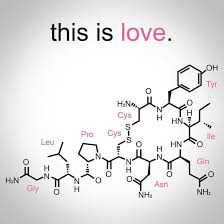
Oxytocin exerts its effects by binding to specific receptors in the brain and throughout the body. These receptors are part of a complex signalling system that influences both emotional and physical responses:
Oxytocin’s effects are often context-dependent, meaning its influence can vary based on individual circumstances and emotional states.
Deciding between Tadalafil and Oxytocin depends on your health goals:
Pharmaqo is committed to delivering top-quality pharmaceutical products to meet diverse health needs. Whether your focus is improving physical performance with Tadalafil or fostering emotional well-being with Oxytocin, Pharmaqo provides:
Visit Pharmaqo today to discover solutions tailored to your health and lifestyle goals.
Tadalafil and Oxytocin serve distinct purposes but are equally impactful in addressing different aspects of health. Tadalafil enhances physical readiness and treats medical conditions like ED, PAH, and BPH, while Oxytocin is invaluable for emotional bonding, stress reduction, and reproductive health.
Understanding their unique benefits and potential drawbacks can help you make informed decisions about their use. Always consult a healthcare professional to determine the best option for your needs. Trust Pharmaqo for safe, effective, and high-quality pharmaceutical solutions.






Leave a comment